The Pulse of
Hyper-Connectivity.
In the high-salinity air of the Gulf and the vertical density of West Bay, 5G is more than an upgrade—it is a reconstructed physics of signal delivery. We analyze the invisible architecture enabling sub-10ms response times.
Peak Performance
1.4 Gbps
The Dual-Band Compromise
Qatar's 5G rollout utilizes a sophisticated blend of spectrum to overcome unique geographic challenges. Our deployment strategy acknowledges the trade-off between **Beamforming** accuracy and **Indoor Penetration**.
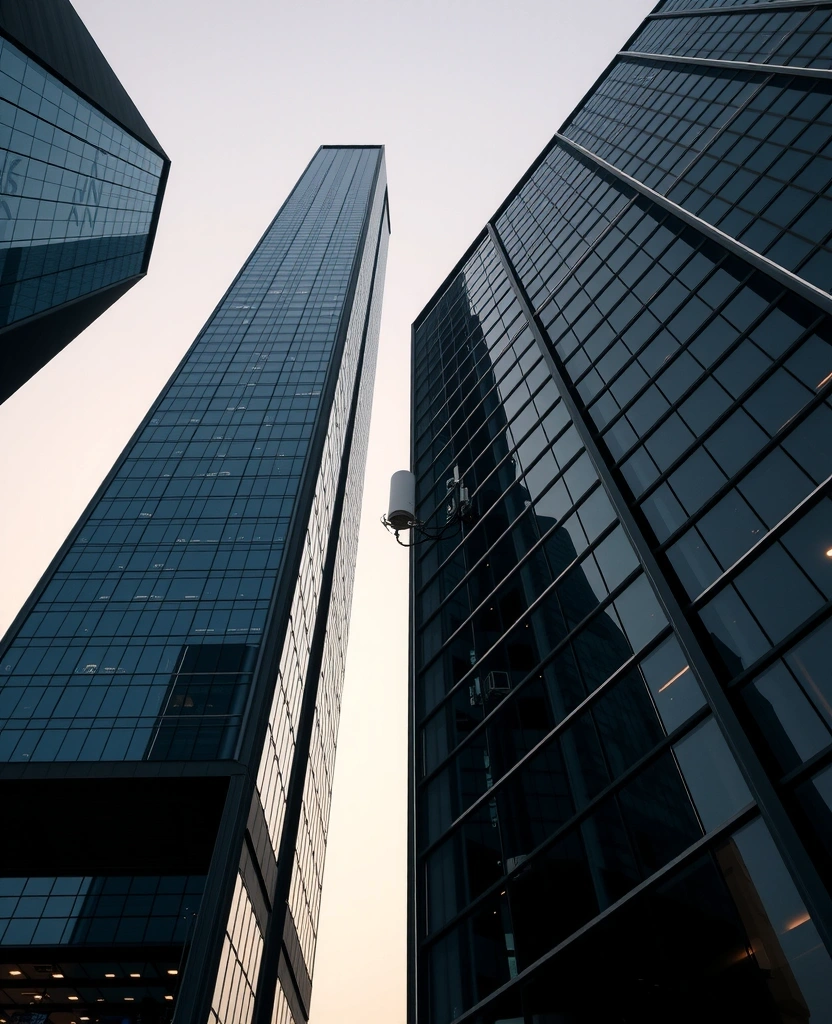
While Millimeter Wave (mmWave) offers the gigabit speeds seen in West Bay, its shorter waves are easily attenuated by low-emissivity glass and dense humidity. To solve this, we utilize Mid-Band technology as a resilient backbone for residential areas like The Pearl.
Sub-6 Ghz
The "Workhorse." Balances distance and throughput. High reliability in coastal Al Waab.
mmWave
The "Laser." Extreme density. Designed for Lusail Stadium and West Bay plazas.
Modern 5G radios in Doha house up to 64 transmit and 64 receive antennas. Unlike 4G, which broadcasts in all directions, Massive MIMO focuses a specific beam of energy directly toward your device. This spatial multiplexing increases capacity by 10x without requiring more spectrum.

Signal Focusing (Beamforming)
Constraints Ledger
-
01
Signal Decay High salinity in coastal air increases signal attenuation at frequencies above 24GHz.
-
02
LEED Glass Architectural UV-blocking glass in new towers can drop signal strength by up to 20dBm.
-
03
Load Spikes Event-driven surges in Lusail can trigger automated network slicing.
Scenario: The West Bay Penthouse
A luxury real estate developer requires consistent gigabit speeds for 8K video surveillance and automated building management systems in a high-rise tower.
Scenario: Remote Desert Operations
Organizing a remote corporate retreat in the Khor Al Adaid dunes requires low-latency connectivity for live streaming and satellite-failover management.
Method Note: Robustness Evaluation
We utilize drive-testing and simulated load modeling based on Doha's urban growth patterns. Our evaluation excludes "best-case" lab scenarios, focusing instead on peak humidity interference and mid-day heat constraints affecting radio heat dissipation.
The Architectural Divide
Public Spectrum Partitioning
General mobile traffic is managed via dynamic slicing, ensuring that 4K streaming in Lusail doesn't degrade performance for critical voice services.
MEC: Data at the Edge
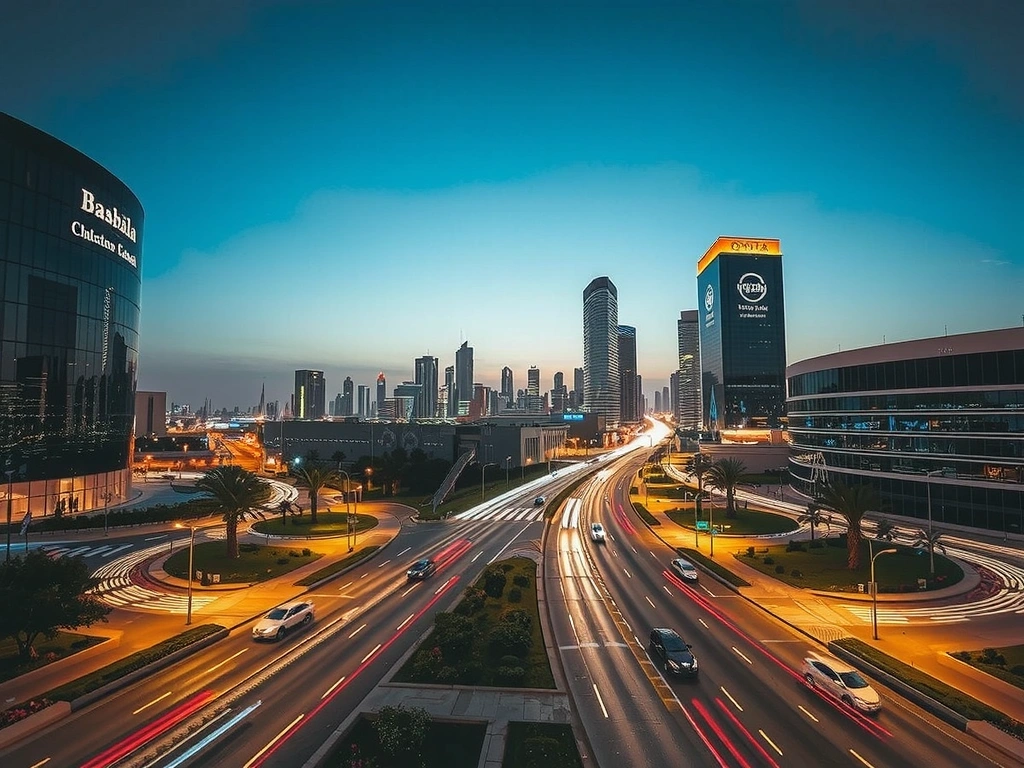
Multi-access Edge Computing (MEC) brings processing power to the tower base. For Lusail's smart traffic lights, this means data doesn't travel to a central Doha server—it is processed locally in < 3ms.
Mesaieed Industrial
Dedicated lanes for IoT fleet management.
Critical Priority
Pre-emptible spectrum for first responders in West Bay.
"Infrastructure in Qatar is optimized not just for speed, but for thermal resilience and glass penetration. We prioritize Mid-Band stability for the home and Millimeter Wave intensity for the urban hub. Every cell handover is an orchestrated handshake between low latency and high reliability."
Unlocking the Full Band
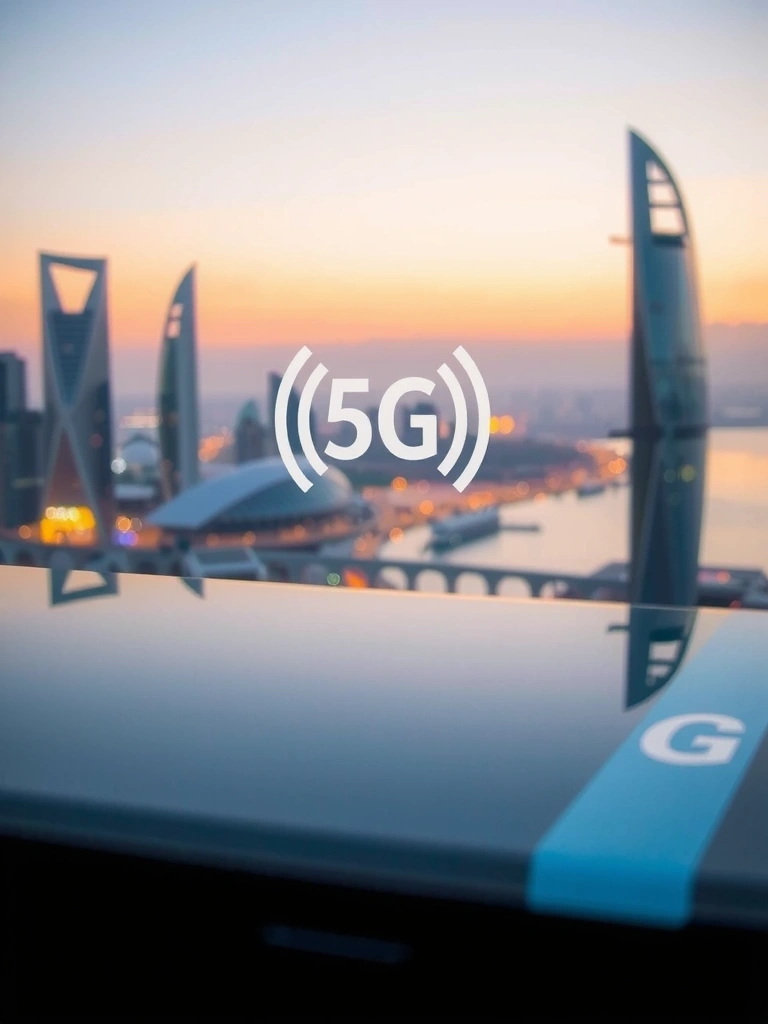
To access the peak performance tiers in Qatar, your device must support **3GPP Release 15** or higher. This ensures the modem can handle NR-NSA (Non-Standalone) signaling while transitioning to the future SA (Standalone) architecture.
Cell Handover
Seamless switching between towers at motorway speeds (up to 120km/h) without dropping packet sequences.
Enhanced Encryption
256-bit subscriber identity encryption prevents IMSI catching and protects location data.
Energy Saving
Advanced sleep modes allow the modem to power down between micro-bursts of data, extending battery life.
CA Support
Carrier Aggregation combines different bands (e.g., 800MHz + 3500MHz) for maximum indoor stability.